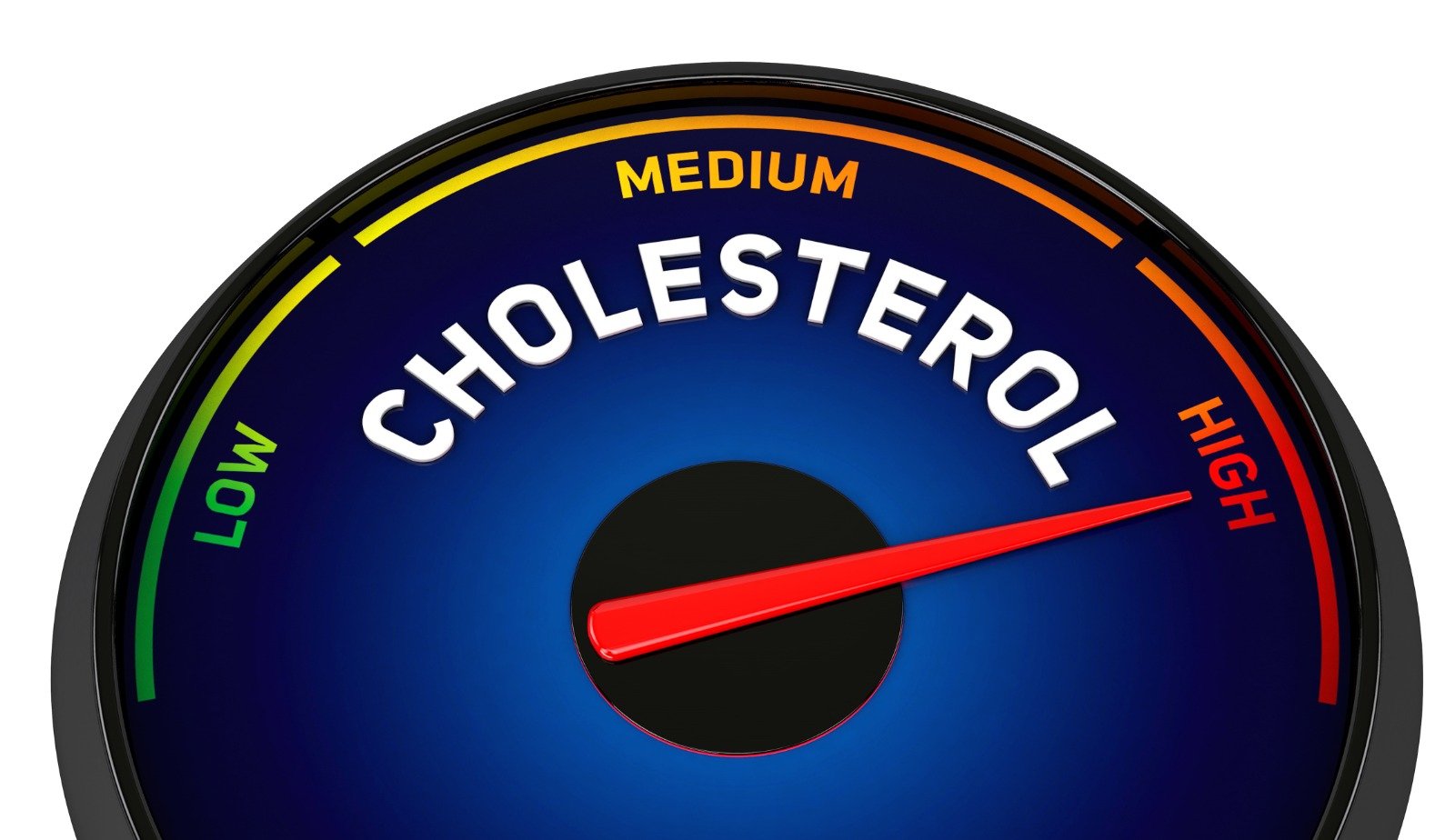
Cholesterol is a fatty substance that’s essential for building cells and producing certain hormones. However, too much cholesterol, especially the "bad" kind (LDL), can build up in your arteries, increasing the risk of heart disease and stroke. Managing your cholesterol levels is vital for long-term health, and it’s easier than you might think.
Here are some practical steps to help you manage cholesterol levels effectively:
1. Eat a Heart-Healthy Diet
Focus on foods that can help reduce bad cholesterol levels and promote heart health:
Fruits, vegetables, and whole grains: Packed with fiber, these foods can help lower cholesterol.
Healthy fats: Opt for monounsaturated fats (like olive oil) and omega-3 fatty acids (found in fish such as salmon) instead of saturated fats found in red meat and full-fat dairy.
Limit trans fats: Found in processed foods, trans fats raise bad cholesterol levels and should be avoided.
2. Exercise Regularly
Physical activity is key to raising "good" cholesterol (HDL) and lowering LDL. Aim for at least 150 minutes of moderate exercise each week, like brisk walking or cycling. Exercise not only helps control cholesterol but also strengthens your heart.
3. Maintain a Healthy Weight
Excess weight can raise LDL levels and lower HDL levels. Losing even a small amount of weight can make a significant difference in improving cholesterol and overall heart health.
4. Avoid Smoking and Limit Alcohol
Smoking lowers good cholesterol and damages blood vessels, making it easier for plaque to form in the arteries. Quitting smoking can help raise HDL levels. Additionally, moderate alcohol consumption may benefit cholesterol levels, but excessive drinking can have the opposite effect, so it's important to drink in moderation.
5. Consider Medication if Necessary
If lifestyle changes aren’t enough to manage your cholesterol, your doctor might prescribe medications such as statins. It's essential to follow your doctor’s advice and take prescribed medications regularly for optimal results.
By making these simple changes, you can take control of your cholesterol levels and reduce the risk of heart disease. Start small, stay consistent, and you'll be on your way to a healthier heart!