
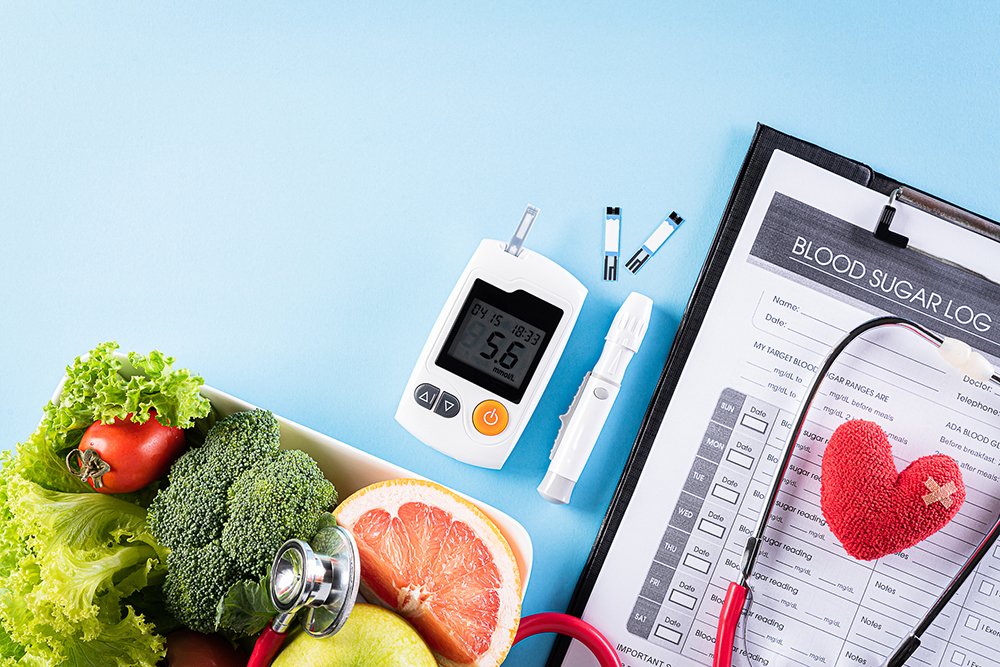
Understanding Diabetes and the Role of High Glycemic Index Foods
Diabetes is a chronic health condition that affects how your body processes blood sugar (glucose). Glucose is essential for energy, but its regulation is crucial to maintaining overall health. People with diabetes either do not produce enough insulin (Type 1 diabetes) or cannot effectively use the insulin they produce (Type 2 diabetes). This results in high blood sugar levels, which, if unmanaged, can lead to severe complications such as heart disease, kidney damage, and nerve problems.
One of the key factors in managing diabetes is understanding how different foods affect blood sugar levels. This is where the glycemic index (GI) comes into play.
What is the Glycemic Index?
The glycemic index is a ranking system for carbohydrates based on their impact on blood sugar levels. Foods are ranked on a scale from 0 to 100, with higher values indicating a more rapid increase in blood sugar levels. Here’s how it breaks down:
Low GI (0-55): Foods that are digested and absorbed slowly, leading to a gradual rise in blood sugar levels. Examples include most fruits, non-starchy vegetables, and whole grains.
Medium GI (56-69): Foods that cause a moderate increase in blood sugar levels. Examples include sweet corn, bananas, and quick oats.
High GI (70-100): Foods that are rapidly digested and absorbed, causing a sharp spike in blood sugar levels. Examples include white bread, sugary drinks, and processed snacks.
High Glycemic Index Foods and Their Impact on Diabetes
High-GI foods can be particularly challenging for individuals with diabetes. When consumed, these foods cause a quick surge in blood sugar levels, requiring the body to produce a large amount of insulin to bring levels back to normal. For someone with diabetes, this regulatory process is impaired, leading to prolonged high blood sugar levels.
Consistently eating high-GI foods can:
Worsen blood sugar control: Spikes and crashes in blood sugar levels make it harder to manage diabetes effectively.
Increase insulin resistance: Over time, frequent spikes in blood sugar can lead to a reduced response to insulin, a hallmark of Type 2 diabetes.
Elevate the risk of complications: Uncontrolled blood sugar levels increase the likelihood of long-term complications such as neuropathy, retinopathy, and cardiovascular disease.
Examples of High-GI Foods to Limit
If you have diabetes, it’s important to minimize your intake of high-GI foods, such as:
White bread, white rice, and instant cereals
Sugary beverages like soda and energy drinks
Pastries, cookies, and cakes made with refined flour
Potatoes, especially mashed or baked without their skins
Candy and processed snacks
Tips for Managing Glycemic Index in Your Diet
Managing diabetes doesn’t mean eliminating all carbohydrates. Instead, focus on making informed choices:
Choose low-GI alternatives: Opt for whole grains like quinoa, brown rice, and oats instead of refined grains.
Pair foods wisely: Combine high-GI foods with protein, healthy fats, or fiber to slow digestion and reduce blood sugar spikes.
Eat balanced meals: Include a mix of low-GI carbohydrates, lean proteins, and healthy fats in every meal.
Monitor portion sizes: Even low-GI foods can cause blood sugar spikes if consumed in large quantities.
Read food labels: Be mindful of added sugars and refined ingredients in packaged foods.
Conclusion
For people living with diabetes, understanding and managing the glycemic index of foods is a vital part of maintaining stable blood sugar levels and overall health. By prioritizing low- and medium-GI foods and reducing high-GI foods, you can take a proactive approach to diabetes management. Remember, small, consistent changes to your diet can lead to significant improvements in your health and well-being.