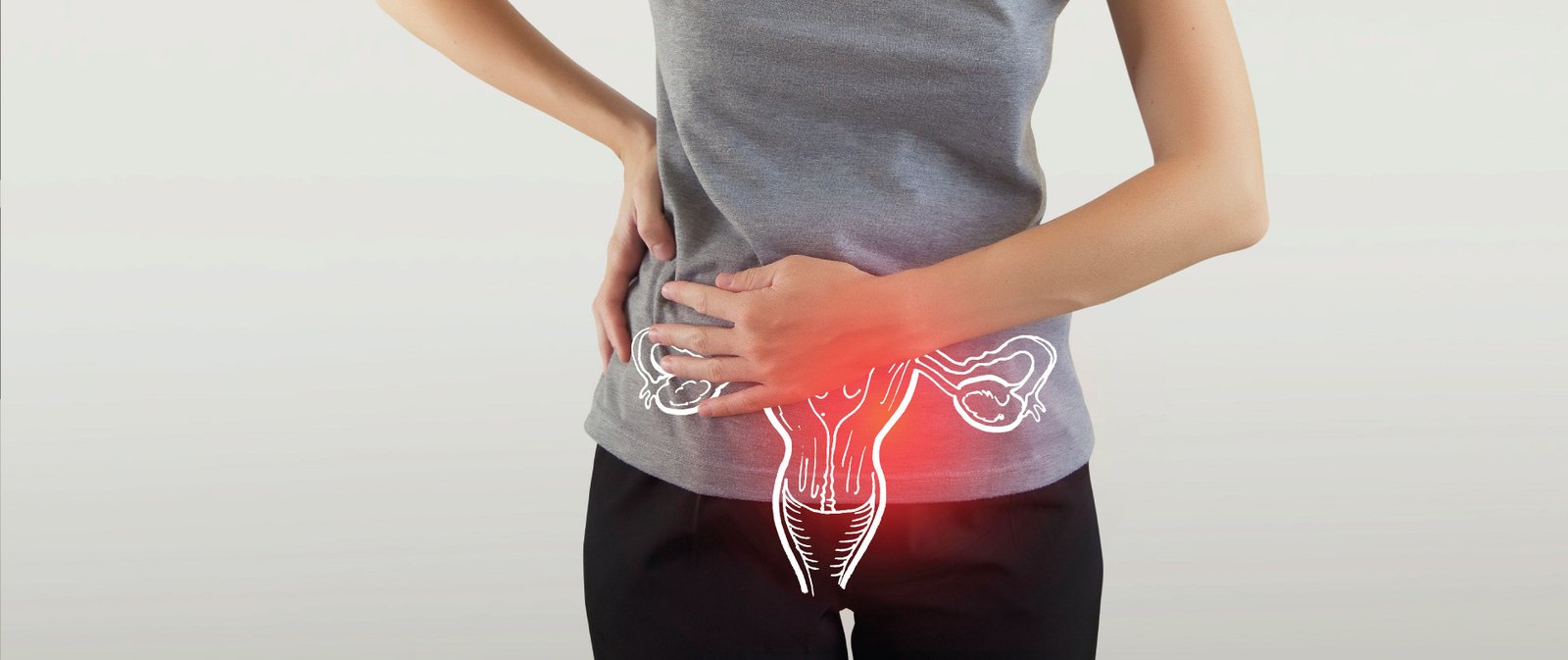
Polycystic Ovary Syndrome (PCOS) and Polycystic Ovary Disease (PCOD) are two terms that are often used interchangeably, but they are not the same condition. Both conditions affect a woman's ovaries and hormones, but they have distinct characteristics, causes, and treatment approaches.
Polycystic Ovary Syndrome (PCOS) is a hormonal disorder that affects about 1 in 10 women of reproductive age. In PCOS, the ovaries produce an abnormal amount of androgens (male hormones). This hormonal imbalance can interfere with the normal development and release of eggs from the ovaries, causing a variety of symptoms and health issues.
Symptoms of PCOS:
Irregular or absent periods
Infertility
Excessive hair growth (hirsutism)
Acne and oily skin
Thinning hair or male-pattern baldness
Weight gain or difficulty losing weight
Insulin resistance
PCOD:
Polycystic Ovary Disease (PCOD), on the other hand, is a less severe condition compared to PCOS. PCOD refers to the presence of multiple cysts on the ovaries. It occurs when the ovaries contain numerous small, non-mature follicles that fail to develop properly or ovulate. Unlike PCOS, PCOD does not necessarily involve hormonal imbalances. It is often linked to irregular periods and the presence of cysts in the ovaries, but it does not have all the symptoms associated with PCOS.
Symptoms of PCOD:
Irregular periods
Multiple cysts on ovaries
Mild weight gain
Excessive hair growth (less common than in PCOS)
Acne
Diet and lifestyle changes are key in managing PCOS and PCOD. A balanced diet, regular exercise, and weight management help regulate insulin levels, improve hormonal balance, and reduce symptoms. For PCOS, stress reduction and adequate sleep also play a vital role in controlling the condition.